
Femoral
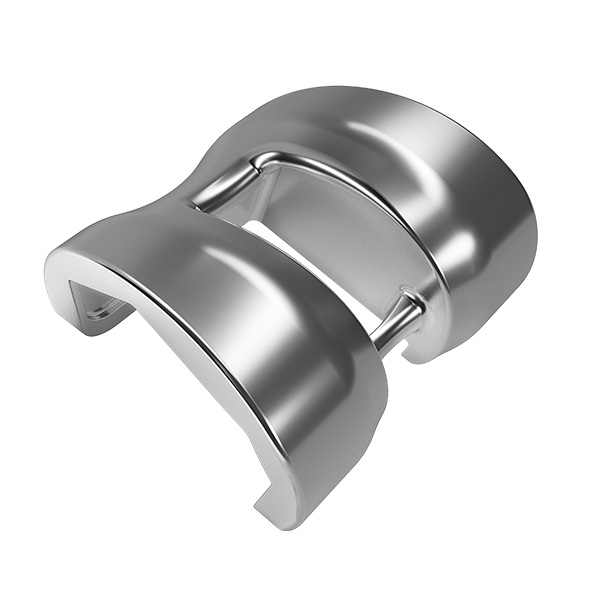
High-Precision Milling Solutions for Cobalt-Chromium Femoral Knee Components
In the orthopaedic industry, Cobalt-Chromium (CoCr) alloys are one of the most common material choices for femoral knee implants. Their popularity stems from optimized biocompatibility, high-wear resistance, and significant mechanical durability.
However, these same attributes make them notoriously difficult to machine, especially when manufacturers must achieve tight tolerances and mirror-like finishes.
Mikron Tool provides high-performance cutting tools engineered specifically for the rigorous environment of orthopaedic manufacturing. Whether processing billet material or engaging in 3Dprinted CoCr machining, our solutions deliver repeatable accuracy and optimized throughput for the most complex medical geometries.
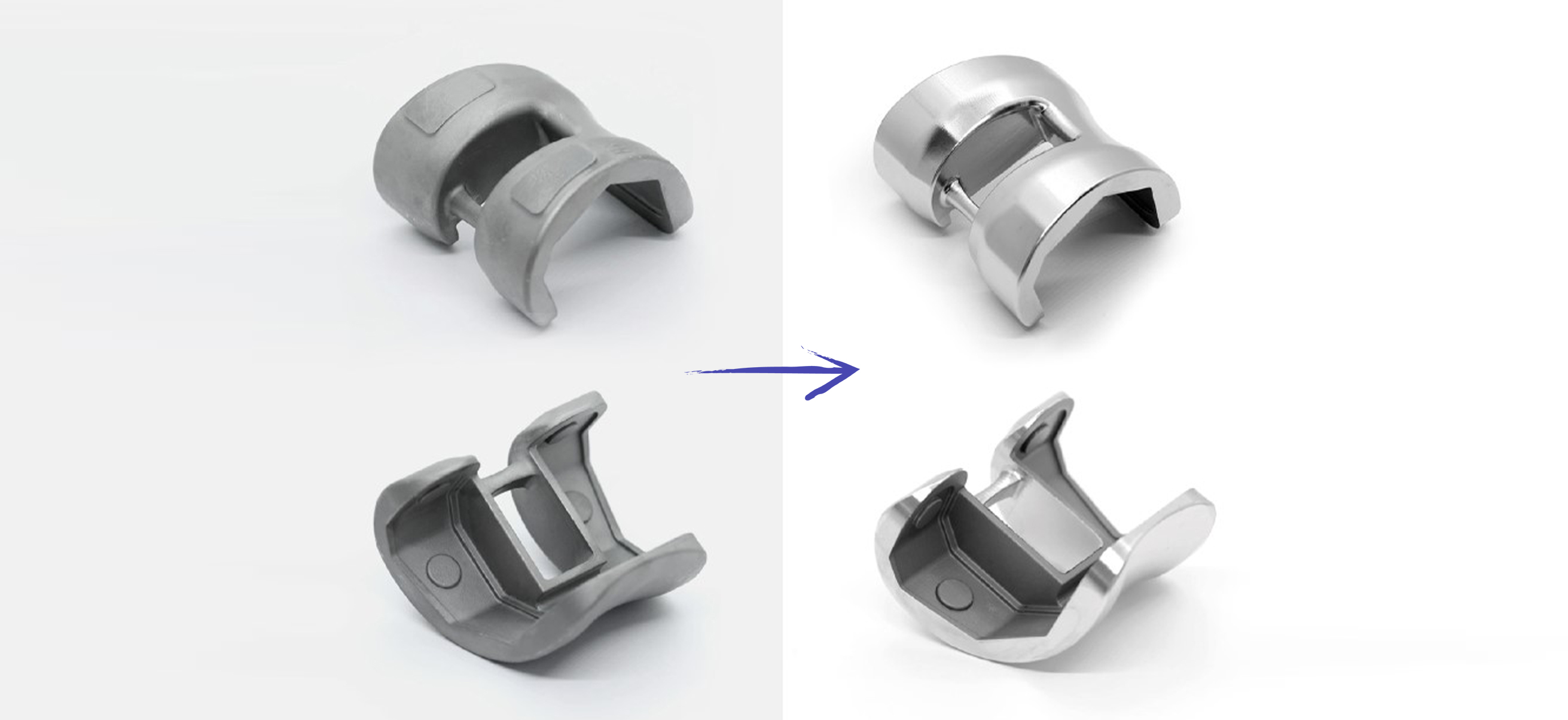
The Technical Hurdles of Machining Cobalt-Chrome Implants
Successfully milling the femoral condyle, box, and cam features of a knee implant, requires a deep understanding of material science and cutting dynamics. Several factors complicate the production of these critical knee components:
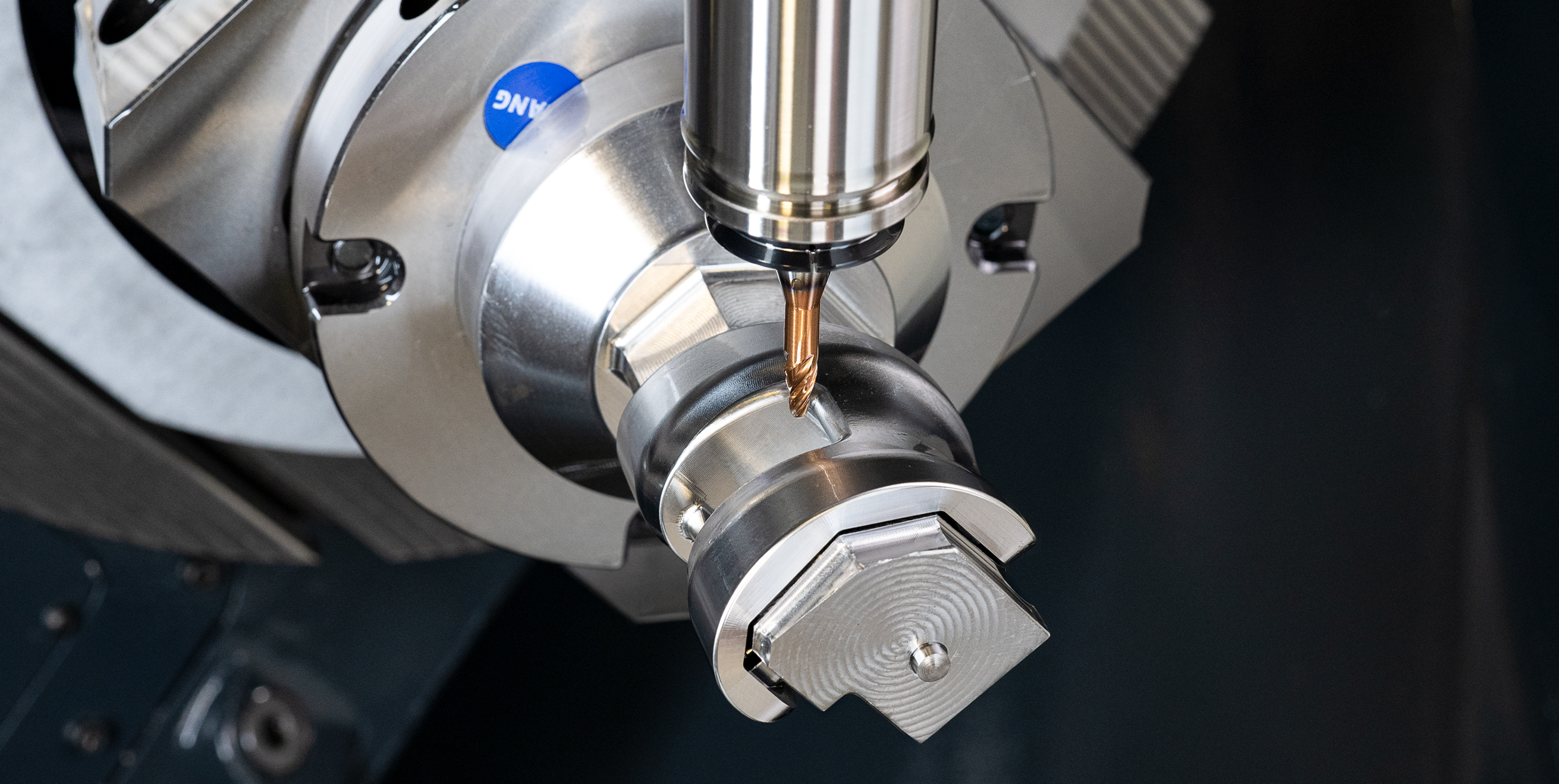
- Extreme Material Toughness: CoCr resists deformation and is highly abrasive, leading to rapid tool degradation if the geometry is not perfectly optimized.
- Thermal Management Issues: Low thermal conductivity causes heat to concentrate at the cutting zone, risking surface damage and edge chipping.
- Intricate Anatomical Contours: The dual condyles and deep internal box walls require stable tool paths and high-rigidity tools to avoid vibration marks.
- Stringent Finish Standards: To ensure long-term implant functionality and reduced friction, managing condyle surface roughness is paramount.
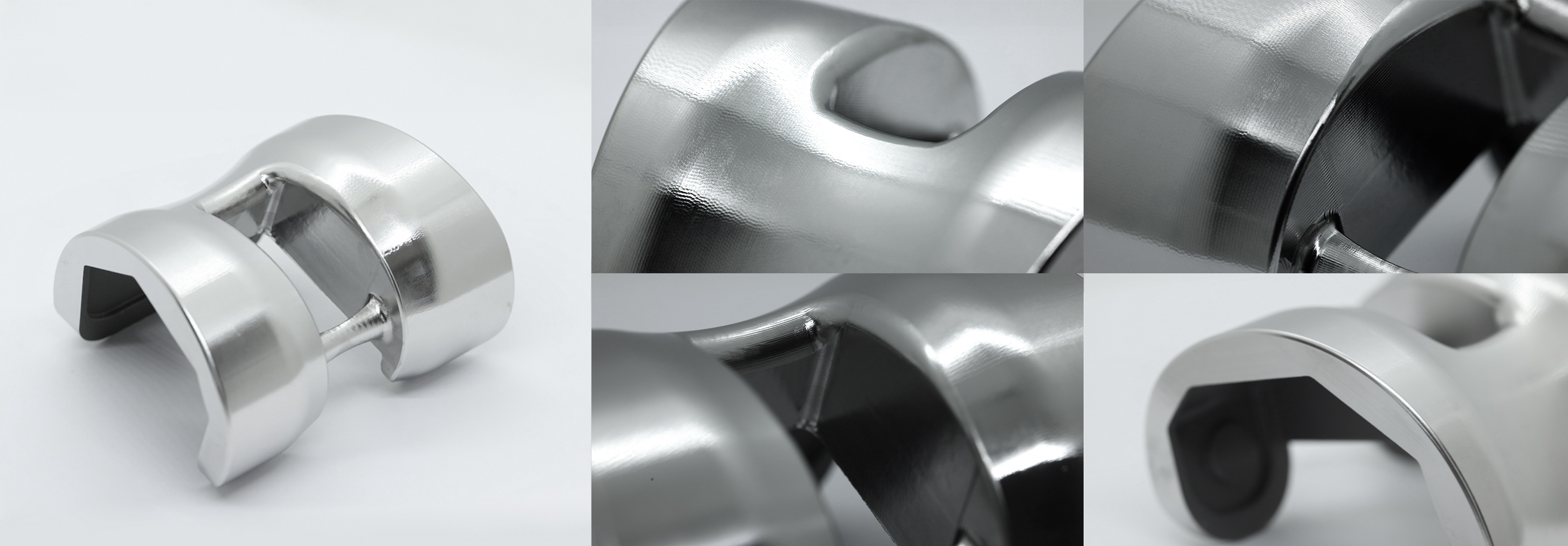
Precision Tooling Strategies for CoCr Femoral Finishing
To meet the industry's highest standards, our tool portfolio is designed to manufacture implants capable of withstanding all the specific phases of the knee component lifecycle. These Swiss-engineered solutions are refined through extensive R&D to handle the unique stresses of CoCr.
Optimized Machining Workflow for Femoral Components
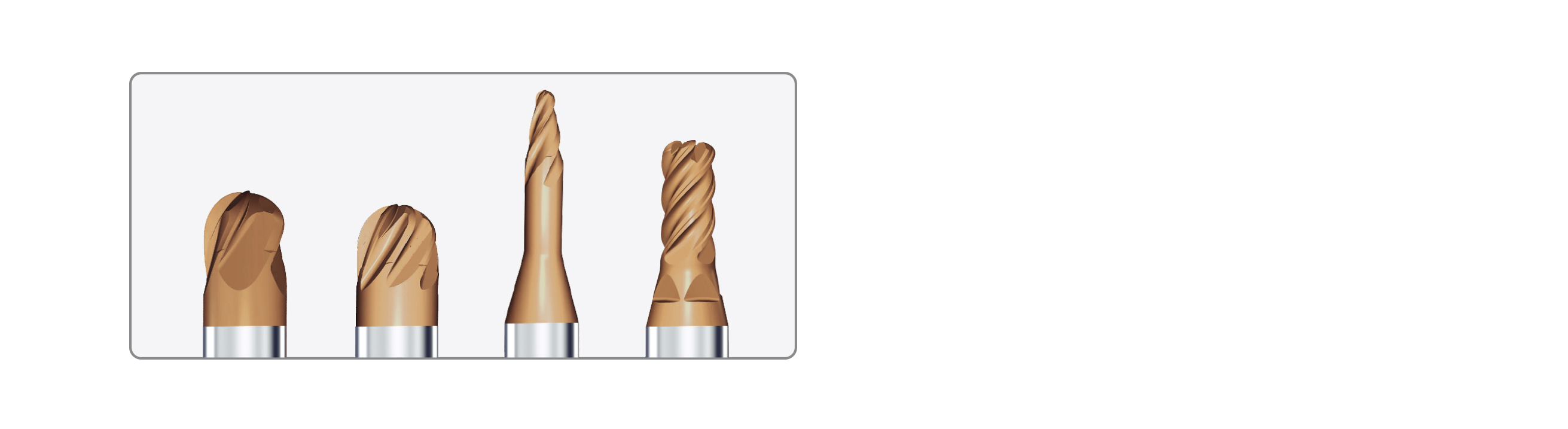
| Tooling Solution | Key Geometric Features | Primary Application |
|---|---|---|
| CrazyMill Cool Corner Radius | Z5, Ø6-8 mm (.236"-.315") corner radius endmill | Roughing, external contouring |
| CrazyMill Cool Ball | Z5, Ø8mm (.315") ball nose endmill | Copy milling, roughing to remove oxides, melting residues and the 3D printing supports, roughing the condyle surface |
| CrazyMill Knee Taper Nose | Z4, range from R1 to R2.5, taper ball nose endmills | Copy milling, deck roughing to remove oxides and melting residues avoiding vibrations, box and cam (bridge) roughing |
| CrazyMill Cool Ball | Z6/Z8, range from Ø6-8 mm (.236"-.315") ball endmills | Condyle and radii finishing |
| CrazyMill Knee Taper nose | Z4, range from R1 to R2.5, taper nose ball endmills | Copy milling, cam and box finishing, high milling stability to avoid marks |
Achieving the Ra 0.3 Benchmark in Surface Integrity
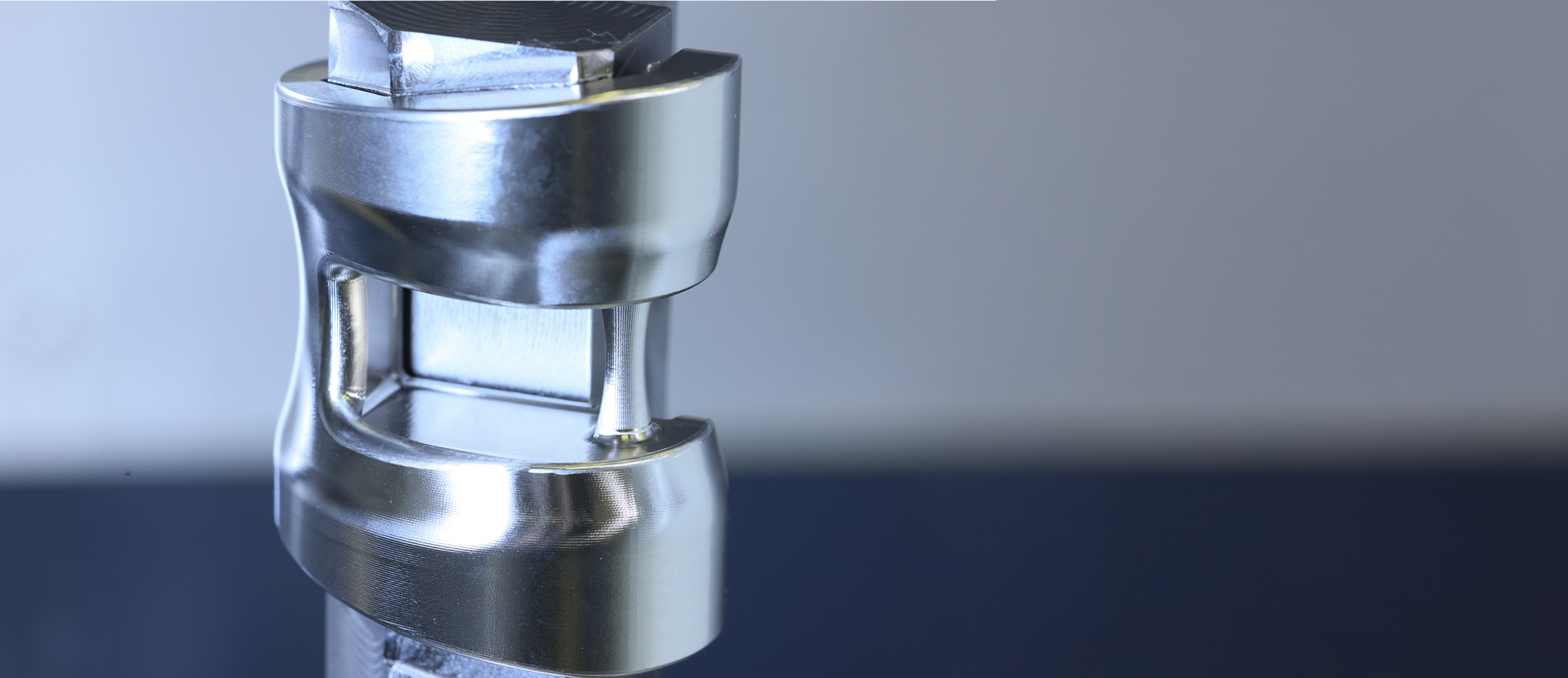
The ultimate goal of any femoral production line is a surface that minimizes wear on the mating UHMWPE spacer. Our tools are specifically calibrated to reach an Ra 0.3 (µm) roughness value or better, often reducing or eliminating the need for extensive manual polishing.
By maintaining strict control over condyle surface roughness, manufacturers can guarantee:
- Superior Fit: Consistent dimensions ensure the implant aligns perfectly with the patient’s anatomy.
- Extended Implant Life: Mirror-finish surfaces significantly reduce the coefficient of friction and wear.
- Process Stability: Our tools provide predictable wear patterns, essential for automated, high-volume production.
Strategic Benefits for Orthopaedic Manufacturers
Choosing the right tooling partner, translates into a measurable competitive advantage in the medical sector. Mikron Tool users typically experience:
- Extended Tool Longevity: Advanced wear-resistant coatings and specialized edge preparation dramatically lower the cost per part.
- Reduced Cycle Times: Optimized flute designs allow for higher feeds and speeds while maintaining the required CoCr femoral finishing quality.
- Maximum Reliability: Achieve "out-of-the-machine" repeatable and stable quality.
Partnering for Innovation in Medical Machining
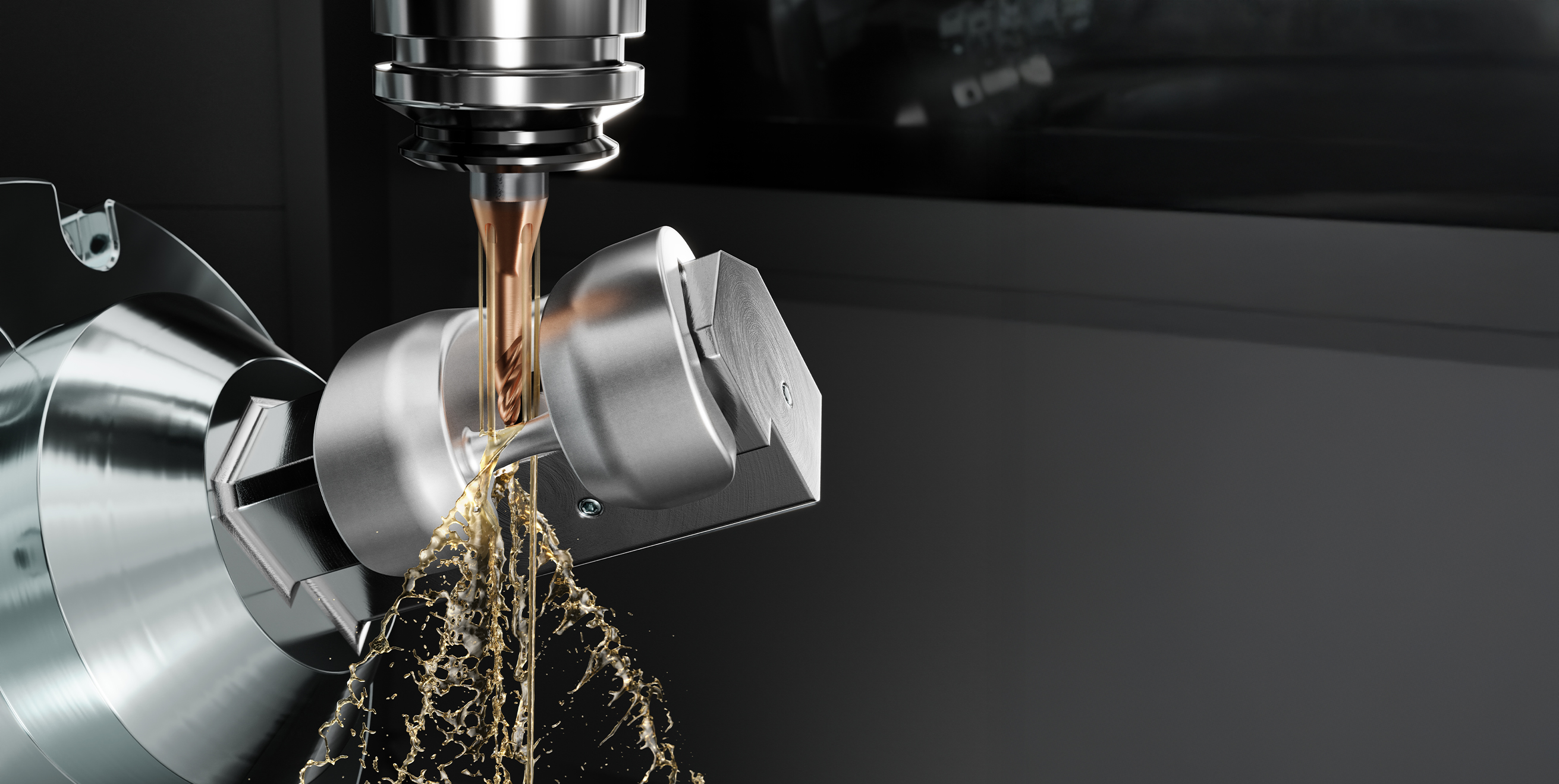
Our R&D teams collaborate closely with implant designers to stay ahead of evolving material trends, such as specialized grades for 3Dprinted CoCr machining. From initial prototyping to full-scale automated series production, we provide the technical expertise needed to lower manufacturing costs while elevating component quality.
Do you need any advice from us? Contact us here!
Machining a CoCr Femoral Knee Implant
Machining a CoCr Femoral Knee Implant
High-Precision Milling
High-Precision Milling