
Dental
Advanced Micro-Cutting Strategies for Dental Implant Production
In the high-stakes field of dental restoration, the margin for error is non-existent. Fabricating miniature medical hardware demands micron-level fidelity, pristine surface topographies and unwavering repeatability. Even a microscopic deviation in a drive interface or a specific screw profile can compromise clinical outcomes or degrade the biological seal.
Mikron Tool develops high-performance solid carbide micro-cutting tools engineered to overcome these technical hurdles. We enable manufacturers to maintain stable, high-efficiency production of fixtures and prosthetic interfaces while maximizing tool longevity in the most challenging medical-grade alloys.
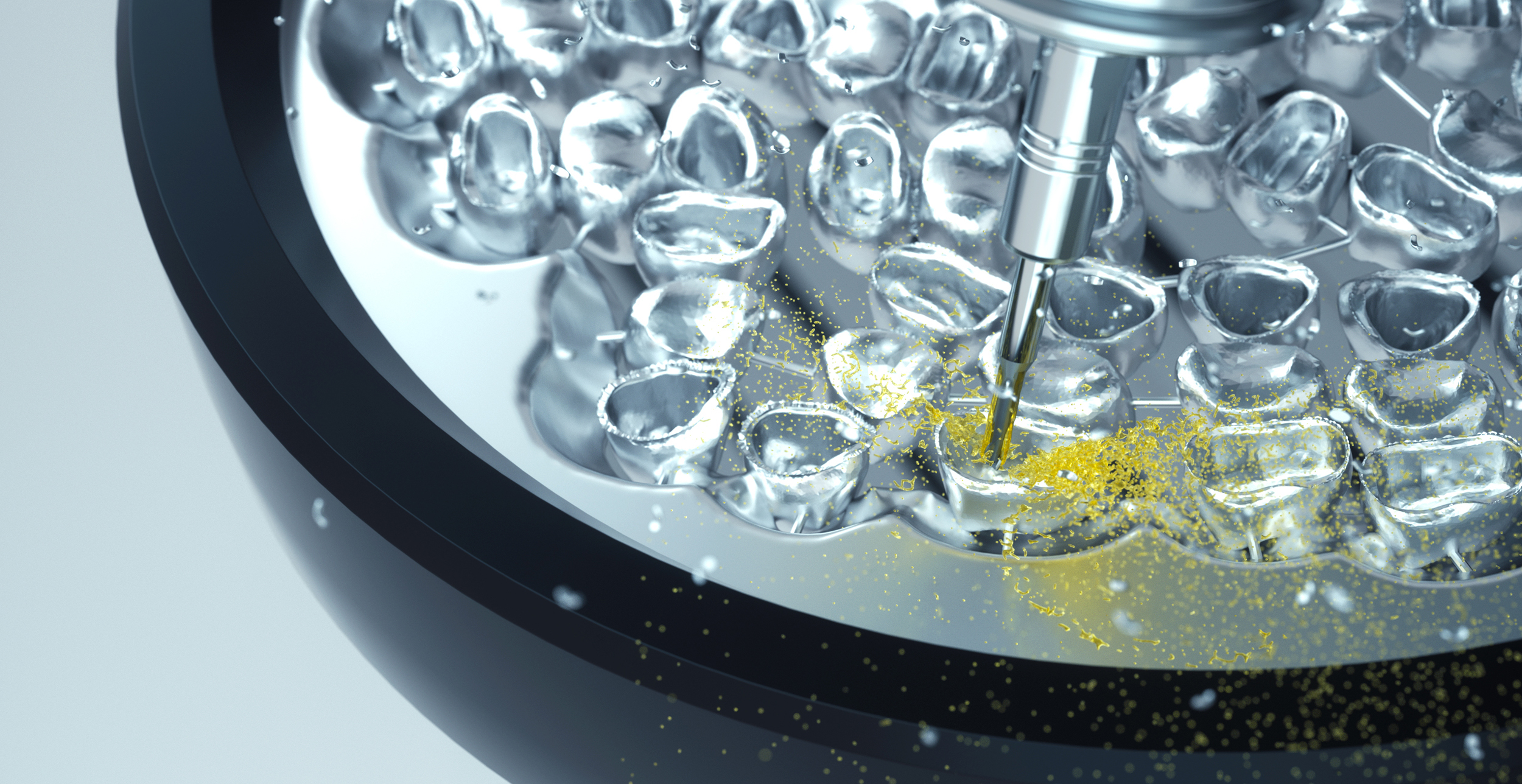
Addressing Technical Obstacles in Micro-Machining Dental Components
The production of dental hardware involves sophisticated geometries that challenge the limits of standard CNC stability. To succeed, a specialized approach to micro-machining dental parts is required.
Mastering Complex Micro-Geometries
Every feature of a dental implant serves a critical biomechanical purpose:
- High-Accuracy Internal Threads: Achieving implant fixture threading requires specialized tools capable of creating precise helical profiles in small diameters.
- Interface Stability: Creating the external hex connection and performing conical connection machining requires extreme angular precision to ensure a secure, rotation-proof fit.
- Micro-Retention Details: Incorporating grooves and undercuts that demand tools with optimized reach and rigidity.
Processing Resilient Medical Alloys
The materials that provide clinical durability are often the most difficult to machine:
- Titanium & Titanium Alloys: These are notorious for rapid heat accumulation at the cutting edge.
- Cobalt-Chromium (CoCr): This material's extreme toughness leads to accelerated wear on standard cutters.
- Medical Stainless Steels: These require exceptionally sharp and stable cutting edges to prevent work-hardening during the machining cycle.
Surface Integrity for Successful Osseointegration
The biological success of an implant is directly tied to its surface quality:
- Seal Integrity: Essential for creating a bacterial-tight barrier between components.
- Optimized Roughness (Ra): Carefully controlled finishes are vital for functional load-bearing surfaces, promoting osteoblast attachment, and increasing bone-to-implant contact
- Edge Perfection: Eliminating burrs is mandatory to prevent microscopic debris from entering the surgical site.
High-Performance Milling and Drilling Solutions
Our engineered tool geometries are designed to deliver excellence in the most demanding dental applications, particularly in dental abutment milling.
Precision Micro-Drilling
Our micro-drills serve as the benchmark for pilot holes and deep axial bores in implant bodies.
- Geometric Stability: Prevents tool drift in deep, narrow screw-retention features.
- Optimized Coatings: Specifically engineered for Titanium to minimize friction and thermal load.
- Efficient Chip Removal: Crucial for preventing tool failure in micro-scale bores.
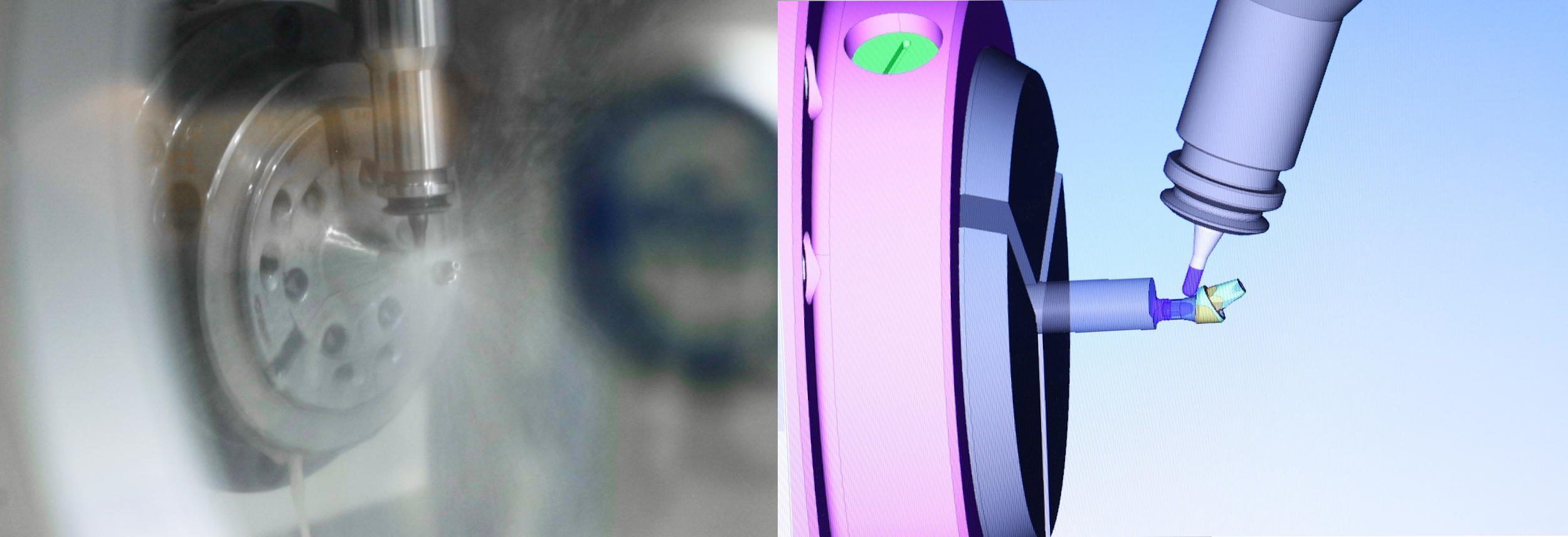
Specialized Milling for Abutments and Interfaces
Designed for the high-stability creation of conical and hexagonal geometries:
- Refined Cutting Edges: Deliver superior surface finishes directly from the machining center.
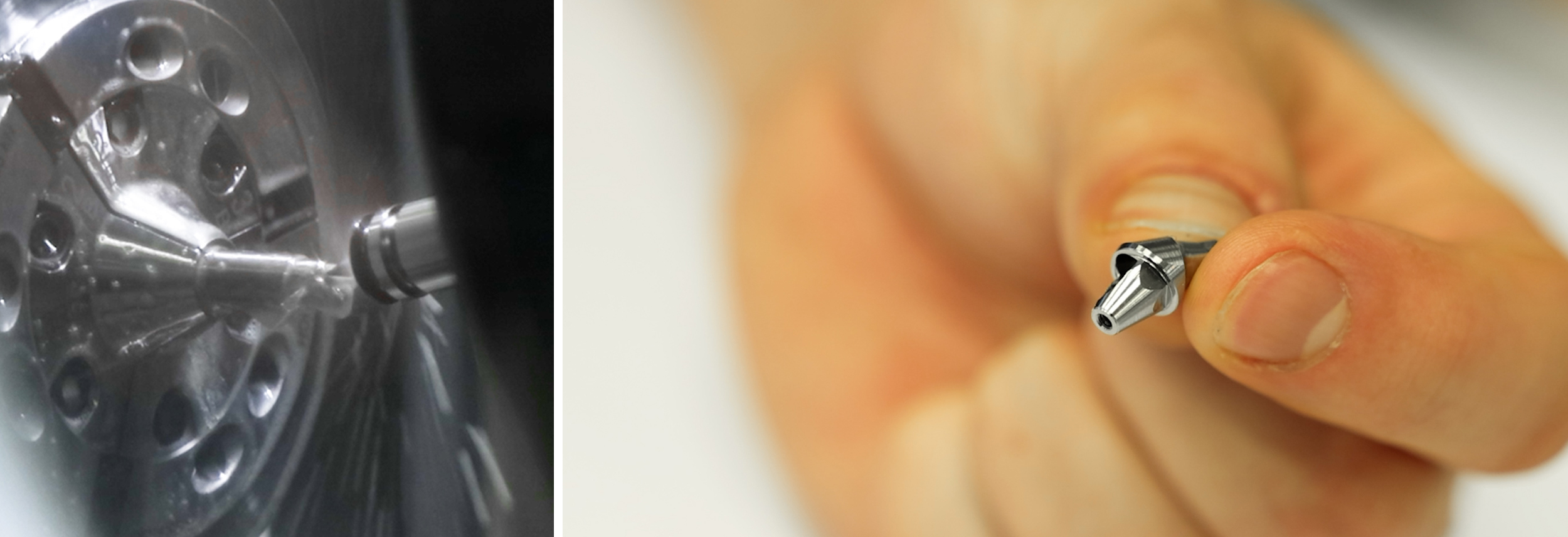
- Vibration Mitigation: Geometries optimized for applications requiring extended reach.
- Sustained Accuracy: Built to preserve dimensional tolerances across extensive production batches.
Strategic Gains in Manufacturing Efficiency
Producers utilizing these advanced micro-tooling solutions consistently achieve significant operational improvements:
| Component | Primary Machining Focus | Recommended Strategy |
|---|---|---|
| Implant Fixtures | Root-form profiles & implant fixture threading | Precision Micro-Cutters / High-Stability Drills |
| Abutments | Dental abutment milling & sealing faces | High-Rigidity Micro End Mills |
| Mini-Screws | Deep axial drilling & micro-profiles | Precision Micro-Drills |
| Prosthetics | Internal pocketing & precision slotting | Custom Micro-Milling Tools |
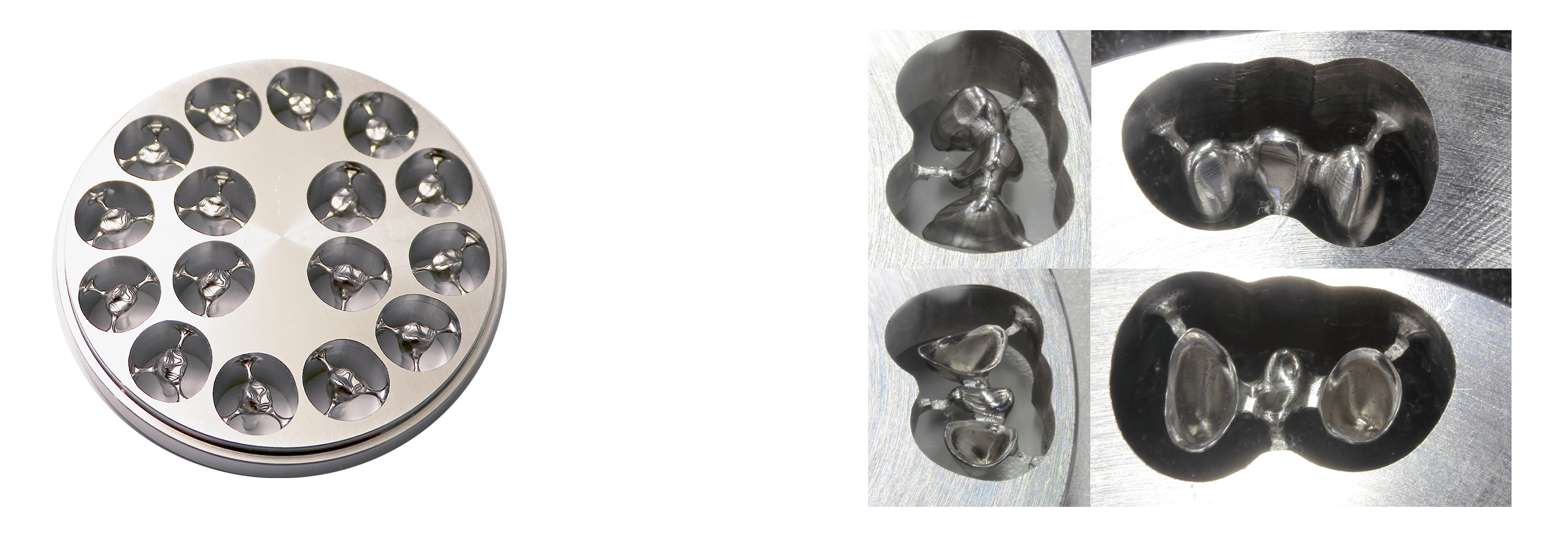
Proven Production Benefits
- Cycle Time Reduction: Decreases of 30%–50% through the use of optimized strategies and feed rates.
- Minimized Waste: Higher process stability leads to significantly lower scrap rates.
- Reduced Post-Processing: "Out-of-the-machine" quality that adheres to rigorous medical standards without manual intervention.
Custom Engineering for Proprietary Designs
When standard geometries reach their functional limits, our engineers partner with you to develop application-specific solutions. Whether you require a unique coating for a specific Titanium grade or a custom tool profile for a patented implant connection, we ensure your workflow is optimized from the initial prototype to full-scale series production.
Do you need any advice from us? Contact us here!