
Volar Distal Plates
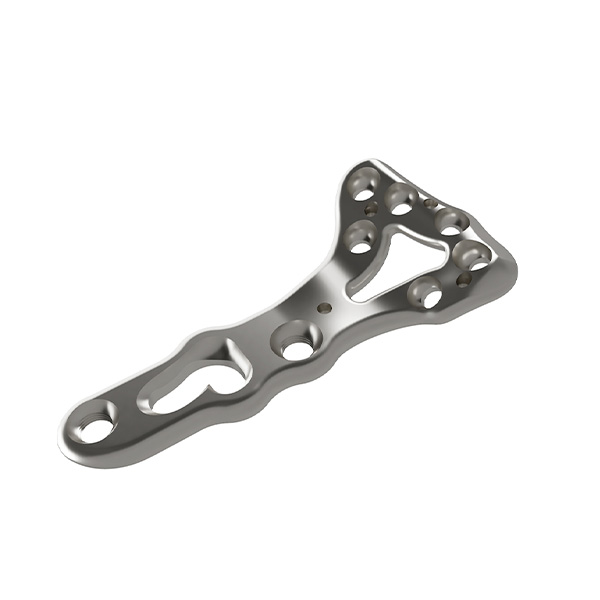
High-Precision Tooling Solutions for Volar Distal Plate Manufacturing
Volar distal plates are common components in orthopaedic trauma fixation manufacturing. Designed to stabilize fractures of the distal radius, a critical junction for hand function, these implants require an exacting anatomical fit, angular screw stability and a low profile to protect delicate soft tissues.
The manufacturing process is demanding due to the plates' contoured structures, dense concentration of features and compact dimensions. Utilizing specialized cutting tools is important when machining Titanium alloys and implant-grade Stainless Steels to overcome challenges related to tool wear, thermal load and chip control.
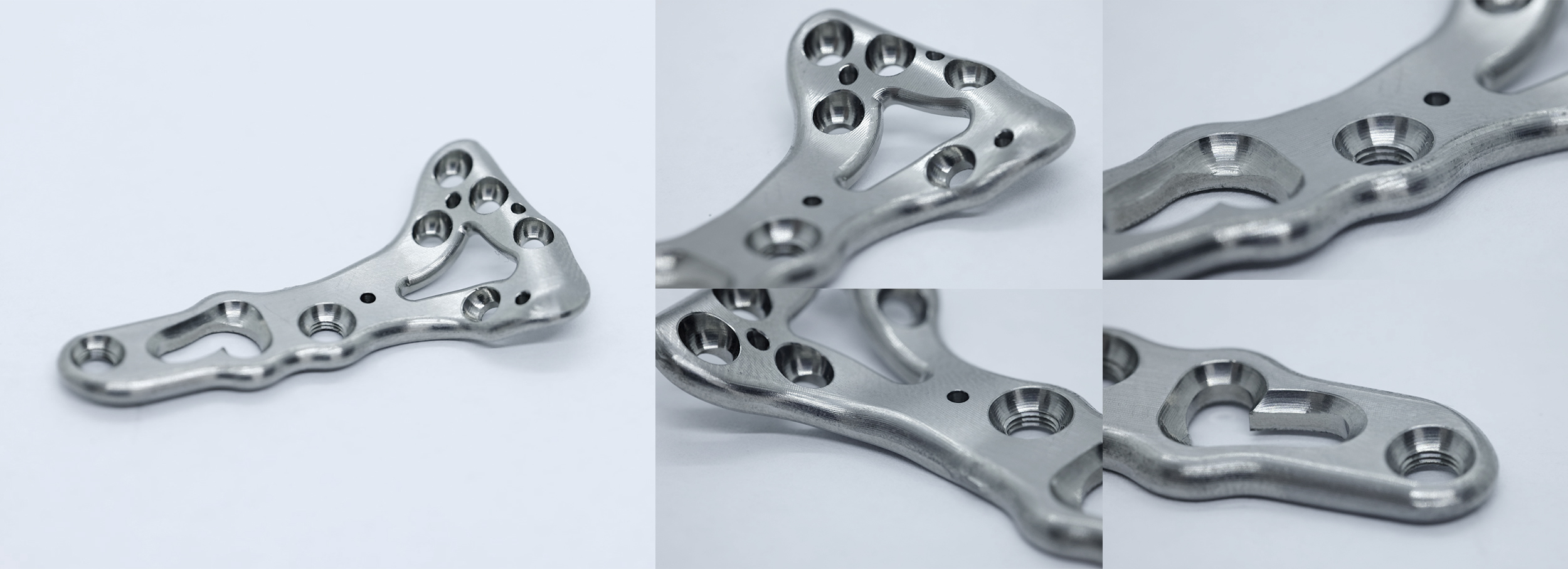
The Complexity of Distal Radius Fixation Implants
Unlike larger bone plates, volar distal plates are tailored to the precise topography of the volar surface of the radius. This area requires tools that can navigate complex biomechanical constraints:
- Multi-Axis Anatomical Contours: Replicating the 3D curvature of the bone.
- Variable-Angle Locking Holes: Precision threading for angular screw stability.
- Thin-Profile Engineering: Minimizing tendon irritation through reduced plate thickness.
- Distal Flaring & Undercuts: Complex geometries for optimal support screw trajectories.
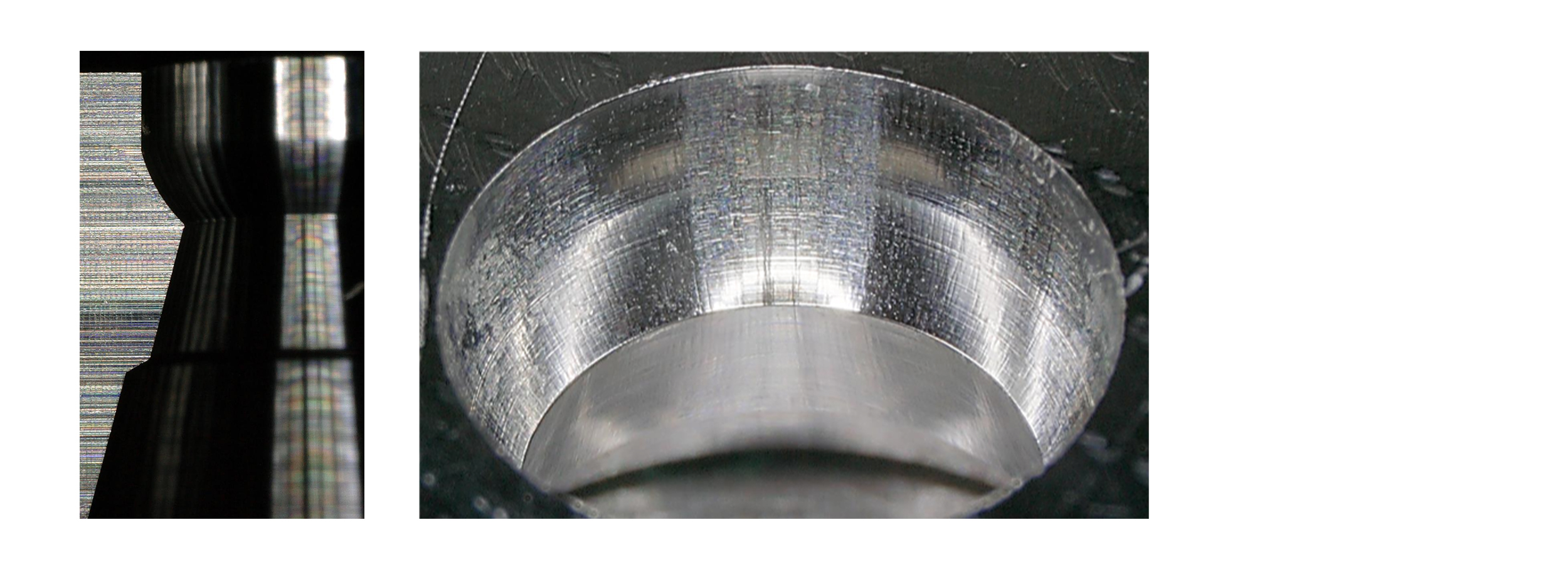
Advanced Tooling for Modern Locking Plate Manufacturing
A defining feature of modern locking plate technology is angular displacement prevention. Furthermore, many modern plates feature variable angle technology, allowing surgeons to adjust screw trajectories to avoid the joint surface or target small fragments.
Producing these interfaces is a challenge in locking plate manufacturing:
- Angular Precision: Maintaining exact screw orientation for fracture stabilization.
- Burr-Free machining: Ensuring top class surface quality and internal features to prevent screw jamming.
- Thermal Control: Preventing material degradation during high-speed machining.
Anatomical Plate Milling: Controlling Complex Contours
Anatomical plate milling is central to producing functional distal radius implants. The tool must flawlessly replicate complex curves while preserving the structural integrity of the metal.
- Stable Engagement: Smooth cutting along defined tool paths, even in scalloped borders and tapered flanges.
- Surface Generation: Creating a finish that requires minimal post-processing, essential for Bone Plates trauma plate machining.
Process Stability in Thin-Wall Implant Machining
A defining characteristic of volar plates is their intentional low profile. However, thin-wall implant machining poses significant technical risks, including component deflection, chatter and heat-induced distortion.
- Low Radial Cutting Force: Tool geometries engineered to minimize size pressure, preventing material tearing or deformation.
- Structural Integrity: Dealing with the reduced plate's strength due to its delicate cross-section.
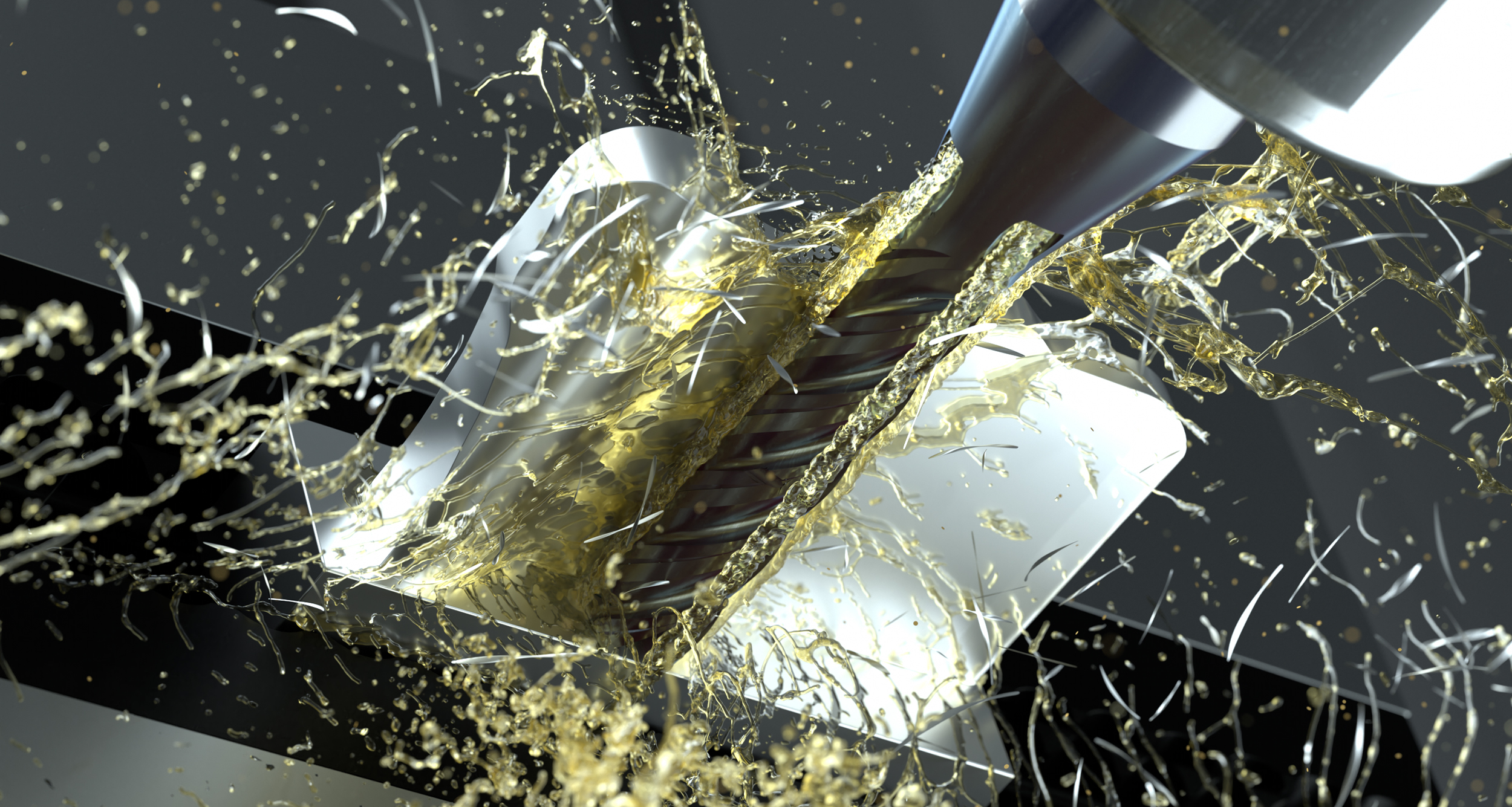
High-Precision Micro-Feature Machining
Volar distal plates are dense with micro-scale features that dictate surgical success.
- Angular Hole Drilling: Accurate entry points for complex trajectories.
- Compression Slots: Precision milling for dynamic fracture reduction.
Material Expertise in Trauma Plate Production
Whether utilizing Titanium or medical-grade Stainless Steel, the material behavior dictates the tooling choice.
- Advanced Coatings: Wear-resistant technology designed to handle abrasive alloys.
- Heat Dissipation: Optimized flutes and internal cooling technology that manage thermal load and chip adhesion.
- Process Reliability: Validation-ready performance for high-volume, automated production lines.
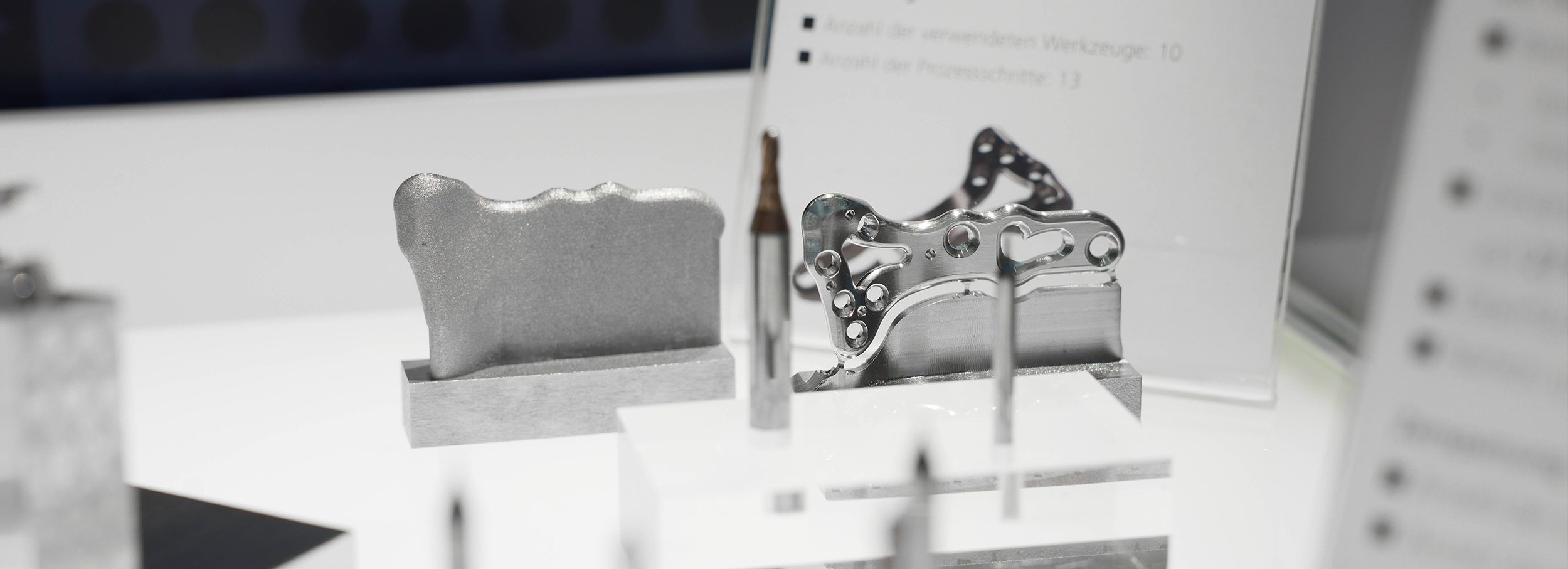
Your Partner in Advanced Trauma Implant Production
From anatomical milling and locking interface creation to thin-wall finishing, our tooling technologies support the entire lifecycle of volar distal plate machining. We empower orthopaedic producers to maintain absolute dimensional accuracy, optimize throughput, and deliver high-performance trauma implants with complete confidence.
Do you need any advice from us? Contact us here!